




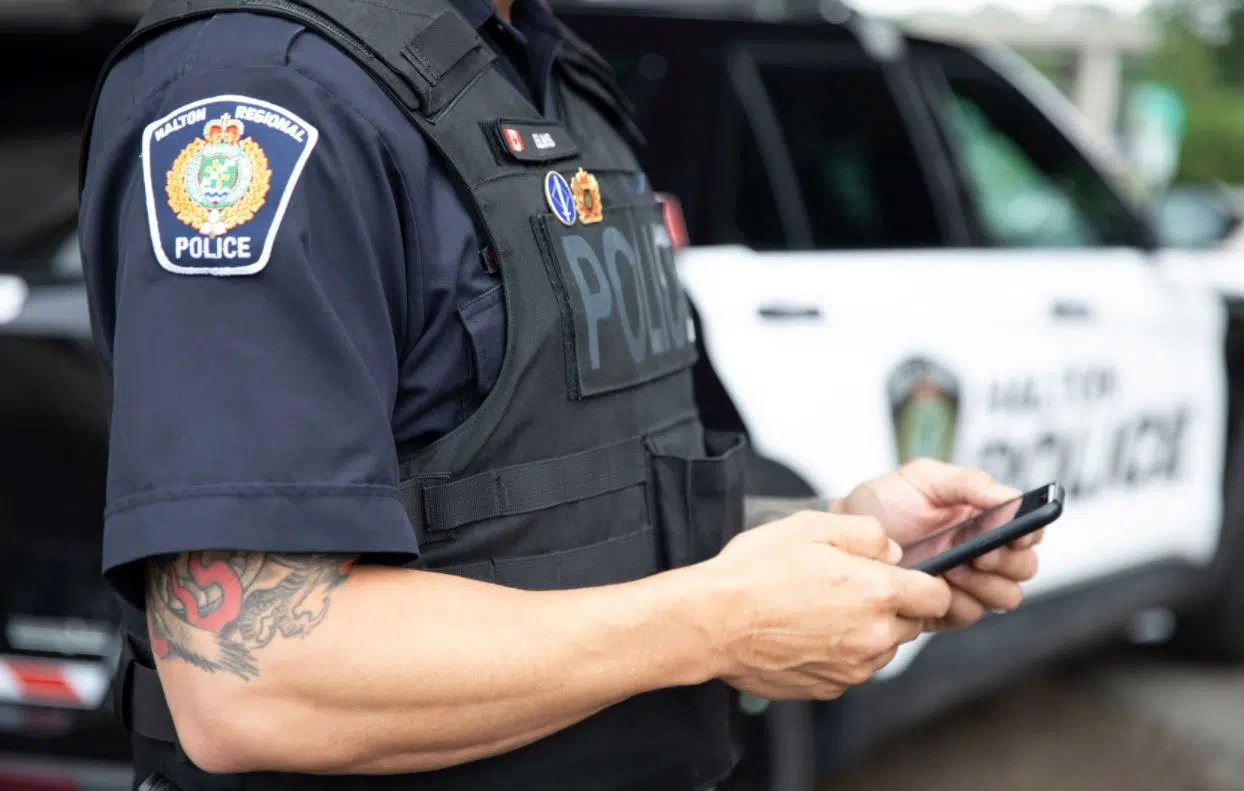
Photo: Halton Police
Everything isn’t always as it seems.
March is Fraud Awareness Month. We’re continuing our series of interviews with Detective Constable Derek Gray with the Halton Police’s Elder Abuse and Financial Crime unit. Our latest fraud scheme is known as the Romance Scam.
Detective Gray says scammers often target isolated residents.
Many may now be aware of the ‘Tinder Swindler’. The Netflix documentary shows a group of women who were the victims of a fraud suspect using the popular dating app. The man managed to scheme more than $10 million from the women.
In the documentary, the women had personal relationships with the scammer; meeting him in person. Detective Gray says that while that may not be common in his work on romance scams, he does compare it to what he calls ‘predatory marriages’. These see younger people seeking older partners with wealth. These age gaps may be 30 or more years. They’ll get married, assume the financial responsibilities and take all the money for themselves.
READ: Brampton man facing charges for sexual assault and fraud of elderly Halton woman
The first step in avoiding becoming a victim in a romance scam is to not always trust everyone you meet online. Detective Gray says anyone could pretend to be someone else online.
He adds that he will always remind residents to be their own Sherlock Holmes. Ask questions and be curious. If you get a phone call from someone proposing to clean your ducts, do research into the company before calling the number back. Last week, we covered the Bank Investigator Scam. Just like with the romance scam, be skeptical when people are asking for money. Be weary if someone you met online constantly refuses to do a video call or meet in person.
The following are tips to protect yourself from emergency scams:
- If you suspect that you are being contacted by a fraudster call Halton Police at 905-825-4777 or 911 if it is an emergency.
- If you are at the bank, do not lie—tell the bank employee why you are retrieving the cash. The employees are trained to assist you in recognizing possible frauds and will help protect your money.
- Remember: Scammers count on the fact that victims will want to act quickly to help their loved one in an emergency.
- Caution: Never give money to anyone you don’t know and trust. Verify the person’s identity before you take any steps to help.
- Think: Don’t give out any personal information to the caller.
- Investigate: Ask the person questions that only your loved one would be able to answer. Call someone you both know to verify the story. Scammers can learn a lot about you from social media, or while talking to you on the phone.
- Ask yourself: Does the caller’s story make sense?
- Important: Police, lawyers and the court will never ask you to give money to someone at your door.
Anyone with information pertaining to a fraud or any other crime is asked to contact the Regional Fraud Bureau Intake Office at 905-465-8741 or Fraud@haltonpolice.ca.
Tips can also be submitted anonymously to Crime Stoppers. “See something? Hear something? Know something? Contact Crime Stoppers” at 1-800-222-8477 (TIPS) or through the web at www.haltoncrimestoppers.ca.



