




This week has been Carbon Monoxide Awareness Week.
Carbon Monoxide (CO) is produced when fuels such as propane, gasoline, natural gas, heating oil or wood do not burn completely in fuel-burning appliances and devices. Those include:
- Furnaces
- Hot water heaters
- Gas or wood fireplaces
- Portable fuel-burning heaters or generators
- Barbeques
- Stoves
- Vehicles
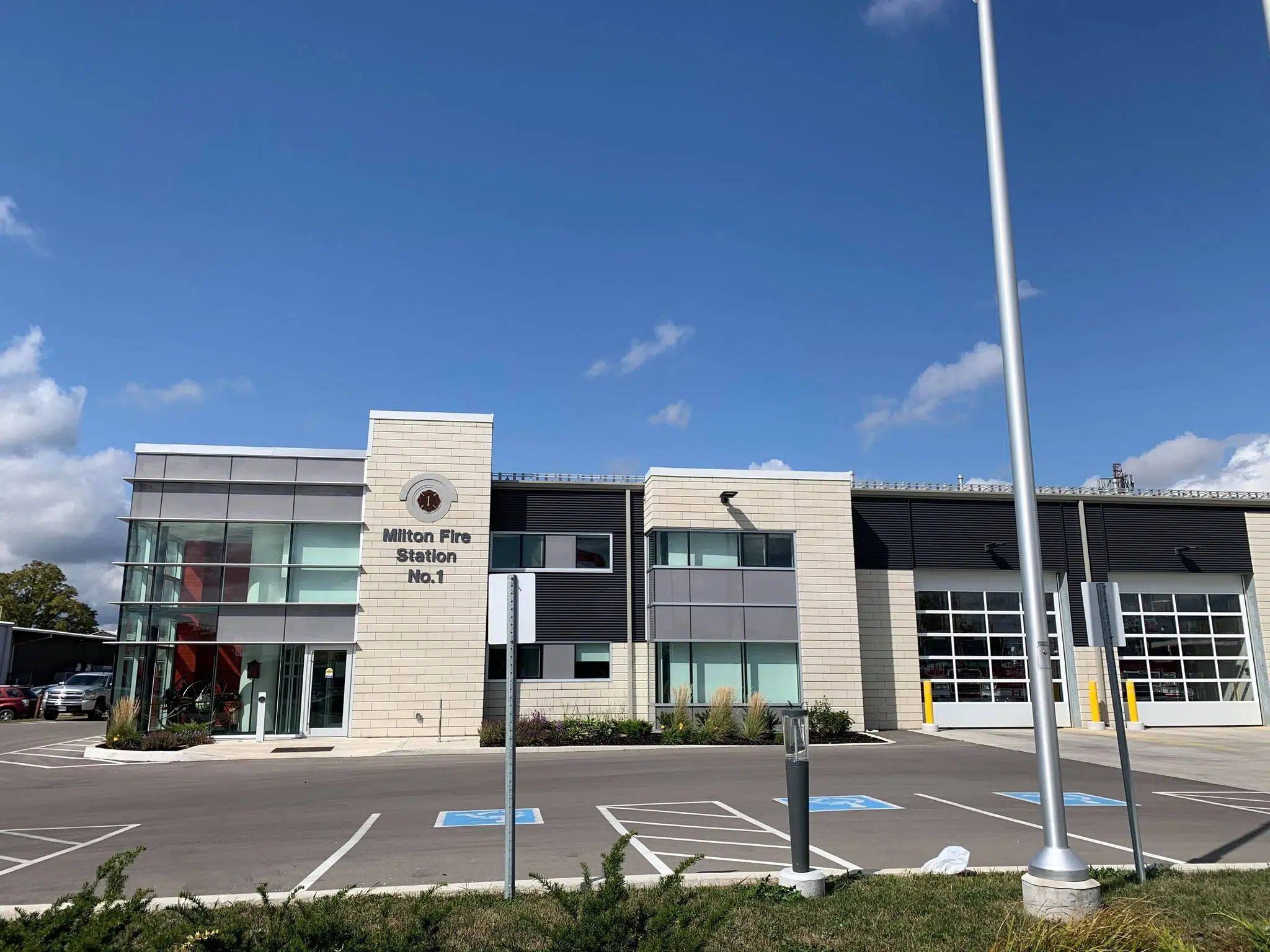
Speaking with Milton Fire Chief, Peter Gatto – he reminds residents that getting regular inspections can save your life.
Speaking from recent experience, he says that he recently had his annual inspection for his cottage. That was when the technician found that the chimney had corroded. He says he never would have known unless the technician looked inside the furnace for the inspection. Having his inspection done annually potentially saved a life – if not multiple – while they would have been trying to enjoy time away at the cottage.
When looking at common incidents of when carbon monoxide built inside of homes, Chief Gatto says people trying to warm their car up in their garage could put those in the house at-risk.
This is also aimed at residents who barbeque in their garage. Many will bring the barbeque from the backyard to the garage for the winter so that they can grill year-long. Chief Gatto says doing that can also fill your garage, and in turn your house, with lethal carbon monoxide. Even if the garage door is open, your decision to grill throughout the year can lead to death.
You can use these tips to prevent CO in your home:
- Annually inspect fuel-burning appliances, chimneys and vents
- Ensure outside appliance vents are not blocked
- Only use gas and charcoal barbeques outside
- Install working CO alarms adjacent to each sleeping area
- Check that all portable fuel-burning heaters are vented properly
- Never run a vehicle or other fueled engine or motor inside a garage, even if the garage doors are open
- Remove the vehicle from the garage immediately after starting it
- If you live in a condo or apartment building with a service room, CO alarms must be installed in the service room and adjacent to each sleeping area above, below and beside the service room
- In condo or apartment buildings that have a garage, CO alarms must be installed adjacent to each sleeping area of all homes above, below and beside the garage
The sound of a CO alarm differs from a smoke alarm.
- Test both alarms monthly and make sure everyone in your home knows the difference between the two sounds.
- Follow the manufacturer’s instructions so you know the difference between the low-battery warning, the “end-of-life” warning, and the alarm alerting you to the presence of CO in your home.
Exposure to CO can cause flu-like symptoms such as headaches, nausea, dizziness, drowsiness, loss of consciousness and death.
- If your CO alarm sounds, and you or other occupants suffer from symptoms of CO poisoning, get everyone out of the home immediately. Once safely outside, call 9-1-1.
- If your CO alarm sounds, and no one is suffering from symptoms of CO poisoning, check to see if the battery needs replacing, or the alarm has reached its end-of-life before calling 9-1-1.
For more CO safety tips, visit the Milton Fire Department’s website and COsafety.ca.



