



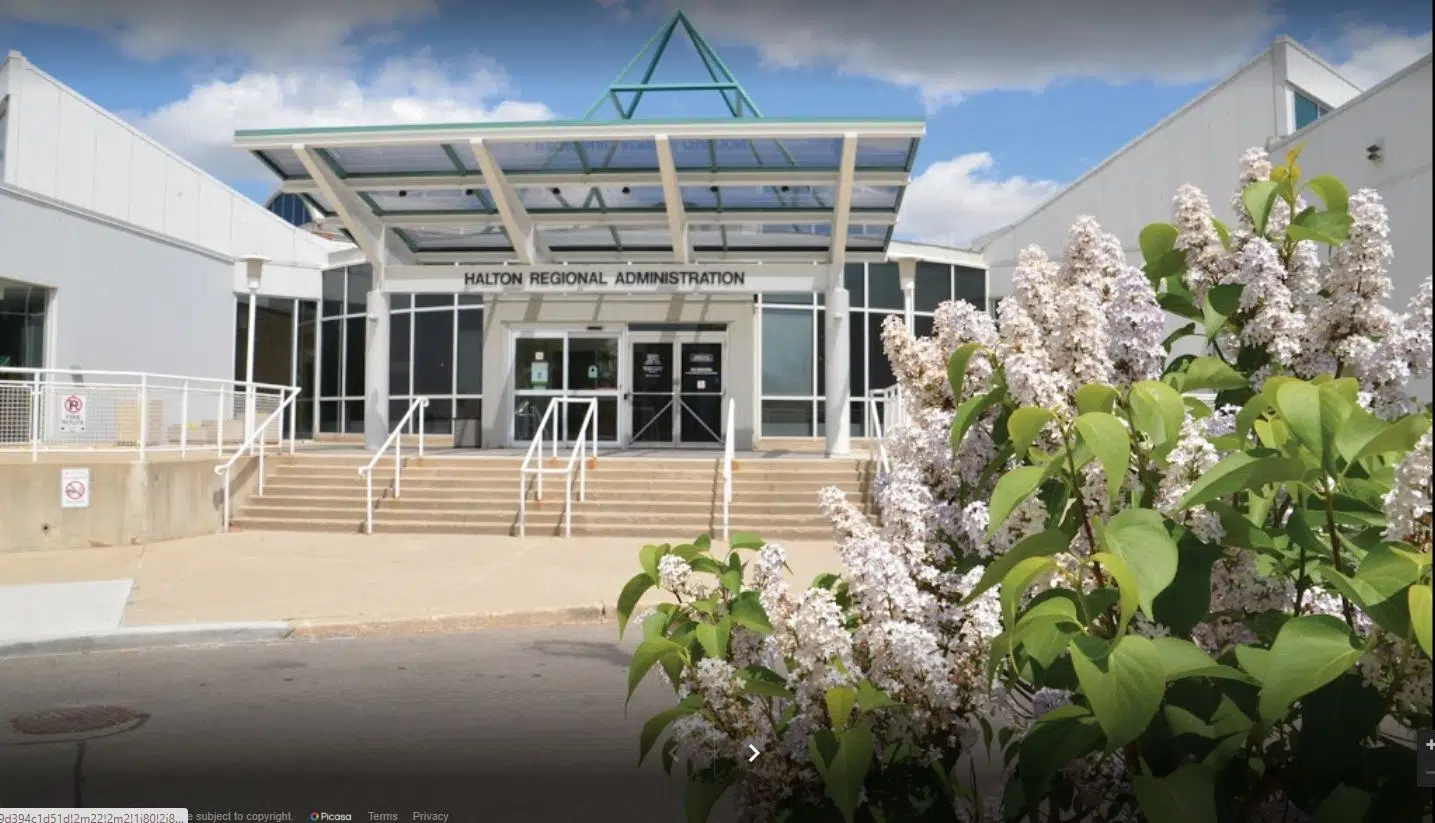
The Halton Region is being told to grow, but can it grow enough?
That was one of the big topics at Wednesday’s Regional Council meeting. The Halton Regional Official Plan Review is underway and Council is looking at Ontario’s 2019 Growth Plan. It requires Halton to plan for an additional 20 years from 2031 to 2051 to accommodate a total population of 1.1 million and 500,000 total jobs.
The Regional Councillor for Milton’s Ward 1, Colin Best, says that kind of growth is just not a great idea.
Another aspect that Regional Council has an issue with is how much the growth will impact agricultural land in our communities. Councillor Best says that when you look at the maps, Oakville and Burlington are already full. That leads a lot of the growth being put onto Milton and Halton Hills. As the Region points out in the Notice of Motion in the Council meeting agenda, losing agriculture can be a significant impact on the local economy:
“WHEREAS the Growth Concepts Discussion Paper profiles four Growth Concepts based on ‘Local Plans and Priorities’ as well as an evaluation of the four Growth Concepts and their supporting technical analysis work; and
“WHEREAS Halton Regional Council has expressed strong concern about loss of agriculture land and negative impacts that growth beyond the existing settlement area boundary will have on future food security; and
“WHEREAS the COVID-19 pandemic has increased awareness of the loss of security our society suffers when we allow ourselves to become dependent on other countries for essentials…”
There’s an idea that if Milton and Halton needed to grow quickly, they should build upwards. Many residents are quick to point with the number of condominiums being approved locally that the infrastructure isn’t stable enough to withstand that kind of growth, leading to a number of issues that include traffic, lack of school space, and more. Councillor Best says that our communities don’t necessarily need to build upwards. He points to certain cities in Europe and Asia as examples of how you can avoid skyscrapers when increasing population.
Growing population aside, another aspect of the Growth Plan is to have 500,000 total jobs in Halton by 2051. That seems like a great idea on the surface, but the execution is a little trickier. With the COVID-19 pandemic, office space has been rendered nearly useless for a good number of companies as the shift to working from home becomes more appropriate. Here in Milton, we have a wide number of factories that have a need for labour positions, but as Councillor Best points out, some labour positions over time will be replaced by machines.
So, how do you go about planning for 500,000 total jobs by 2051 when it’s only 2021? That’s what the Halton Region is trying to figure out.
The Halton Region is also concerned with the environmental impact that experiencing that kind of growth could have on a community:
“WHEREAS a Climate Emergency was declared in 2019 by all local municipalities in Halton (Burlington, Halton Hills, Milton, and Oakville) and the Region of Halton; and
“WHEREAS accommodating growth through 2051 within the existing settlement area boundary is a positive way to respond to the Climate Emergency.”
As Councillor Best says, a higher population doesn’t necessarily mean a better community.
He adds that the Government of Ontario hasn’t provided the Region with any tools to find a solution. That means Halton is left to figure it out themselves, despite not wanting to grow.
The Motion was deferred on Wednesday, March 24th and will now be discussed at April’s Regional Council meeting.